If you're building travel or hospitality software and one workflow keeps slipping— housekeeping, maintenance, inspections, turnovers—tell us what's happening in the messy real world. We'll propose a first sprint that ships one production-ready feature your users can actually run by the end of the sprint.
Case Study
Housekeeping Checklist
Mobile-first housekeeping checklists that actually get used during the turnover.
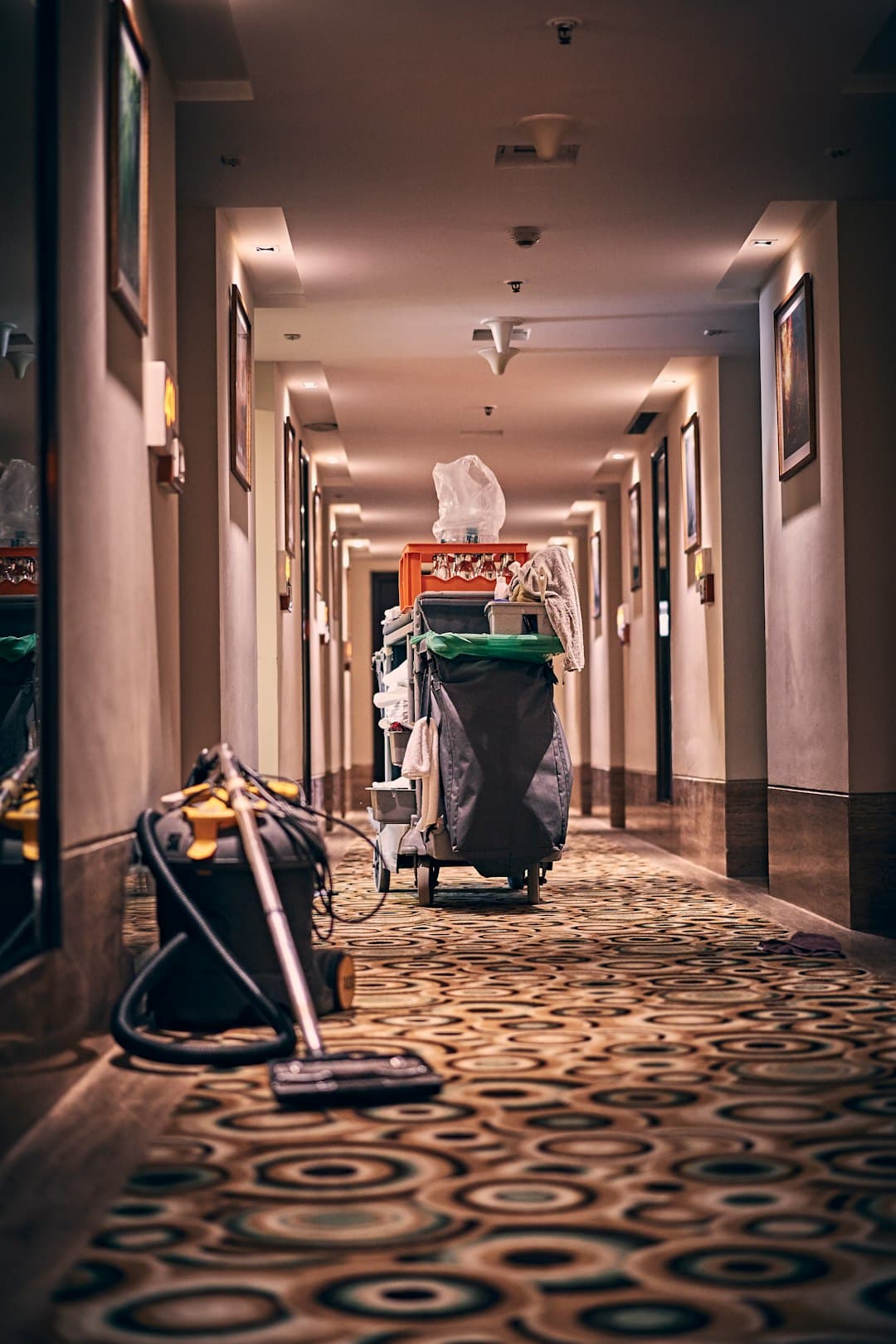
Printed checklists look reliable until you watch how they're used in real life. When a list can be ticked through after the fact, missed items show up as repeated cleanliness issues—and reviews take the hit.
Housekeeping Checklist is a mobile-first housekeeping workflow that helped create a clear lift in cleanliness reviews across 10+ properties and 100+ monthly turnovers.
A clear lift in cleanliness reviews across 10+ properties and 100+ monthly turnovers.
01
The problem
Paper checklists don't create outcomes. They create paperwork.
Our client already had a property maintenance management system, but housekeeping was still running on printed checklists. The process required housekeepers to follow, sign, and send back the checklist—yet the workflow made it easy to "complete" everything at the end of the day, without using the checklist during the turnover.
We didn't want "more control." We wanted cleaner houses, fewer complaints, and a process people would actually follow while moving through the property.
If a checklist can be completed after the fact, it will be—so the system has to make "doing it right" the easiest path.
02
Our approach
We started narrow: build a standalone flow that works on any phone for non-technical, not-necessarily-English-native staff—then integrate deeper only after it proves itself in real usage.
Mobile-first
No 'I'll do it later on a laptop' escape hatch.
Proof at the moment of completion
Location (GPS-derived address) + timestamps captured when sections are completed.
Low-friction collaboration
If two people clean together, the second person joins via a simple link with a short token.
We also used AI to translate the interface and checklist items ahead of time (not in real time), so multilingual teams get a usable experience without turning every checklist tap into an AI bill.
Build for the real environment (a phone in someone's hand mid-turnover), not for ideal process diagrams.
03
What we built
Housekeeping Checklist became a mobile web app that opens from the parent system and drops the housekeeper straight into a job with property and booking context.
The first "happy path" looked like this:
- 1Open the job (redirect from the parent system) and see the property/booking context immediately.
- 2Choose solo vs pair cleaning, enter names, and start.
- 3If it's a pair, share a token link so the helper can open it instantly and start on their assigned tasks.
- 4Work section-by-section, tick tasks, and complete sections with GPS-derived address + timestamps captured at completion.
- 5Access property "vitals" (access info) inside the flow, then finish the job.
Later, once it proved daily adoption, we added an assigner/manager flow: someone could set up roles and distribute links so cleaners could focus on execution, not setup.
04
Outcomes
The biggest change wasn't a prettier checklist—it was that the checklist got used during the turnover, at scale.
Over time, the workflow supported:
10+ properties running through the system
10+ housekeepers using it in real operations
100+ monthly turnovers completed with a consistent, mobile-first process
Fewer missed items, fewer cleanliness issues, and a clear lift in cleanliness reviews
Saved labor cost for both the manager (less chasing/verification) and housekeepers (less rework)
Meaningful contribution to the host achieving Airbnb Superhost status
Consistent execution at scale: 100+ monthly turnovers, better cleanliness reviews, and fewer avoidable complaints.
05
Why this mattered (and why we integrated it)
This project is a good example of how we like to work: ship a standalone feature that people can use immediately, prove it in real ops, then integrate it seamlessly into the main product when the remaining friction becomes context switching.
After Housekeeping Checklist proved adoption and impact, we integrated it deeply into Airteam App—as part of the same job/task model and embedded UI—so it felt like one system instead of "the checklist app over there."
Start with one painful workflow. Ship a complete feature people use. Then integrate deeper once it's earned its place.